






BPMCPMGRC
Healthtech reduces costs by 75% and increases revenue by 98% with SoftExpert Suite
Automate processes, ensure traceability, and gain real-time visibility for more efficient and secure operations. Simplify compliance with accreditation programs such as Qmentum, JCI, and HIMSS for hospitals, with HIPAA requirements for health insurance providers, and with the requirements of ISO 15189 and the CAP accreditation program for laboratories.
Increase management efficiency by up to 60% by integrating processes, documents, indicators, and regulatory requirements into a single platform.
Reduce document management and review time by 80% by centralizing procedures, clinical protocols, policies, and other documents.
Reduce regulatory process duration by up to 50% with traceable licenses, permits, and automated compliance workflows.
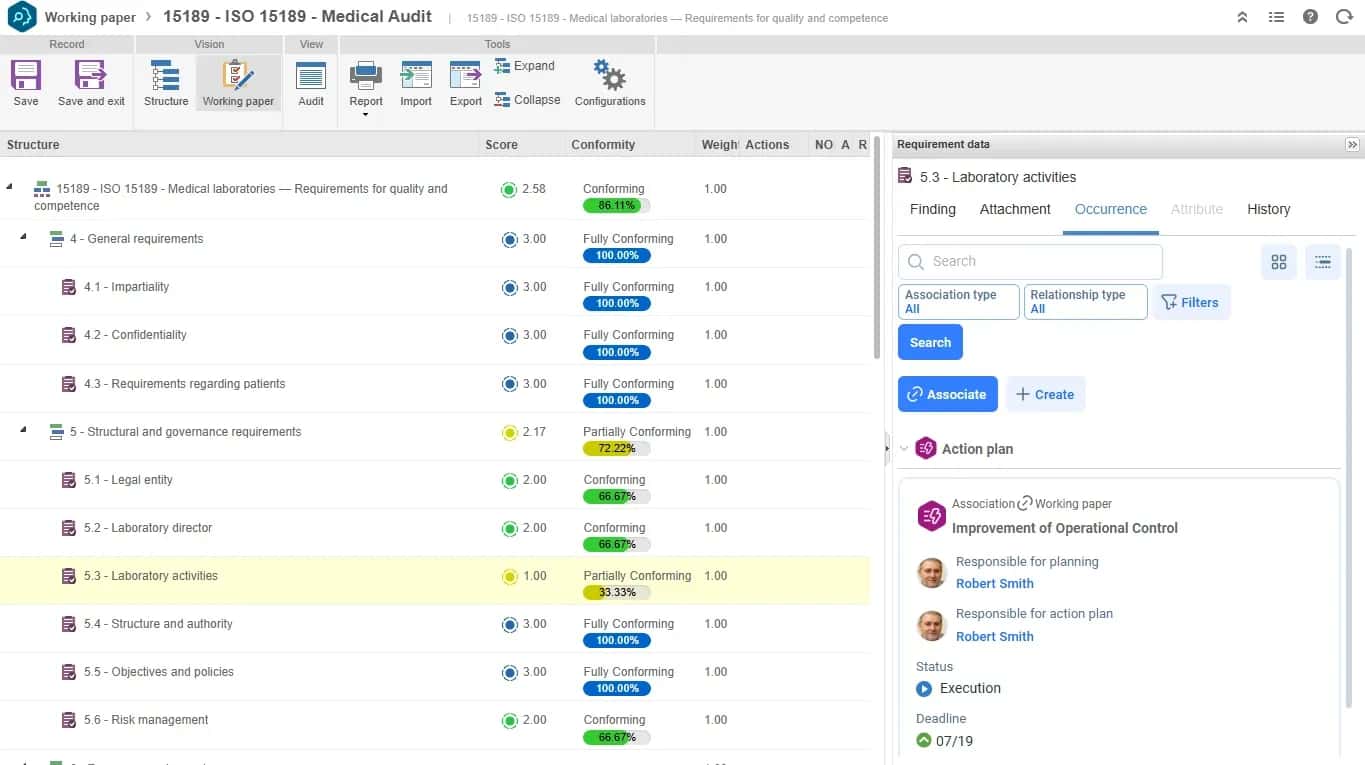
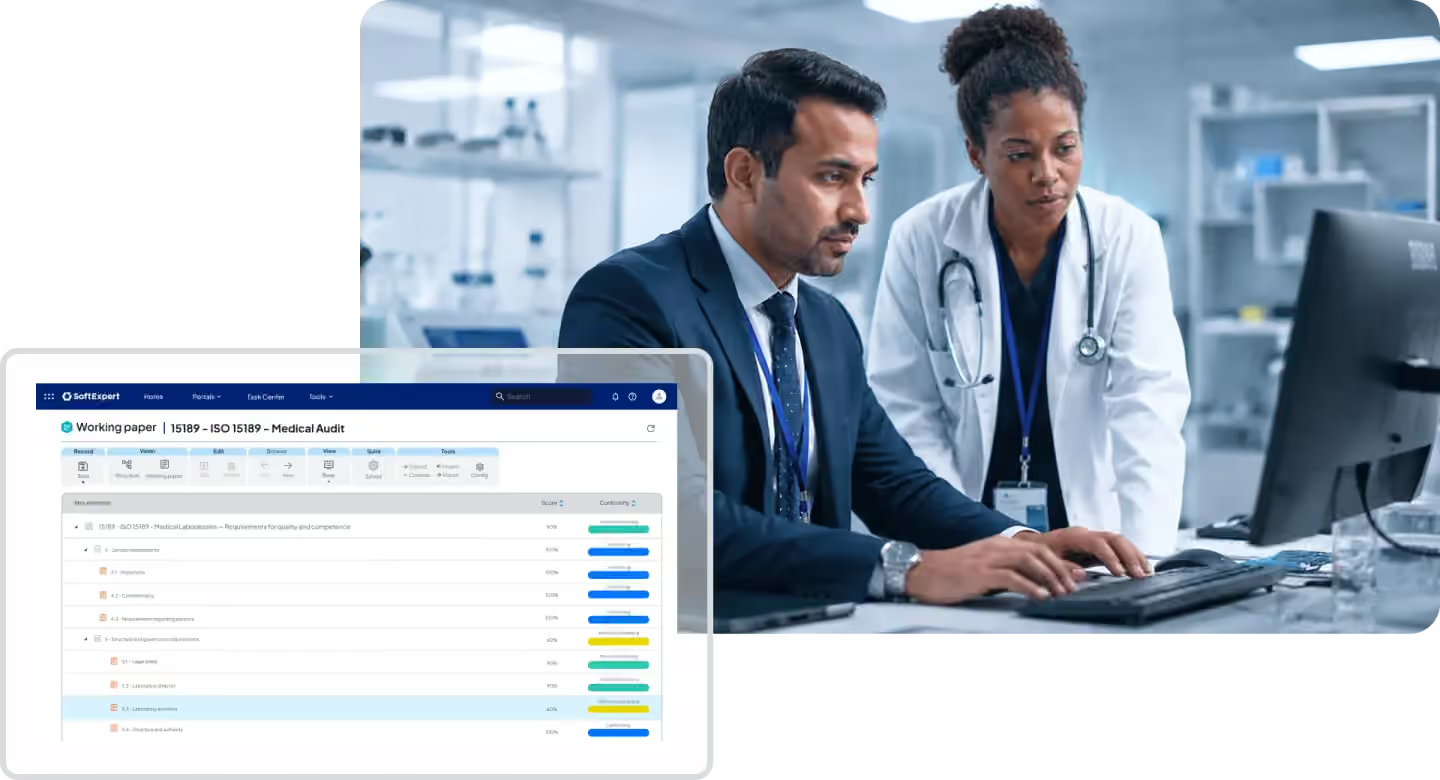
Centralize audits, evidence, and action plans on an integrated platform to improve efficiency and governance.

Built to connect with your existing stack while keeping governance, traceability, and control at the center.

Trusted by users and rated across leading software review platforms for value, usability, and support.





SoftExpert's global presence, with operations on every continent, drives its growth by delivering strong, personalized service tailored to each local market.
Contact us







Maintaining high standards of quality requires clinical, administrative and compliance teams to work with consistent processes and reliable information. Healthcare software helps healthcare teams centralize documentation, quality indicators and improvement initiatives, making it easier to monitor performance and support continuous improvement. Key benefits include:
By providing greater visibility into quality processes, healthcare teams can spend less time managing paperwork and more time improving patient outcomes.
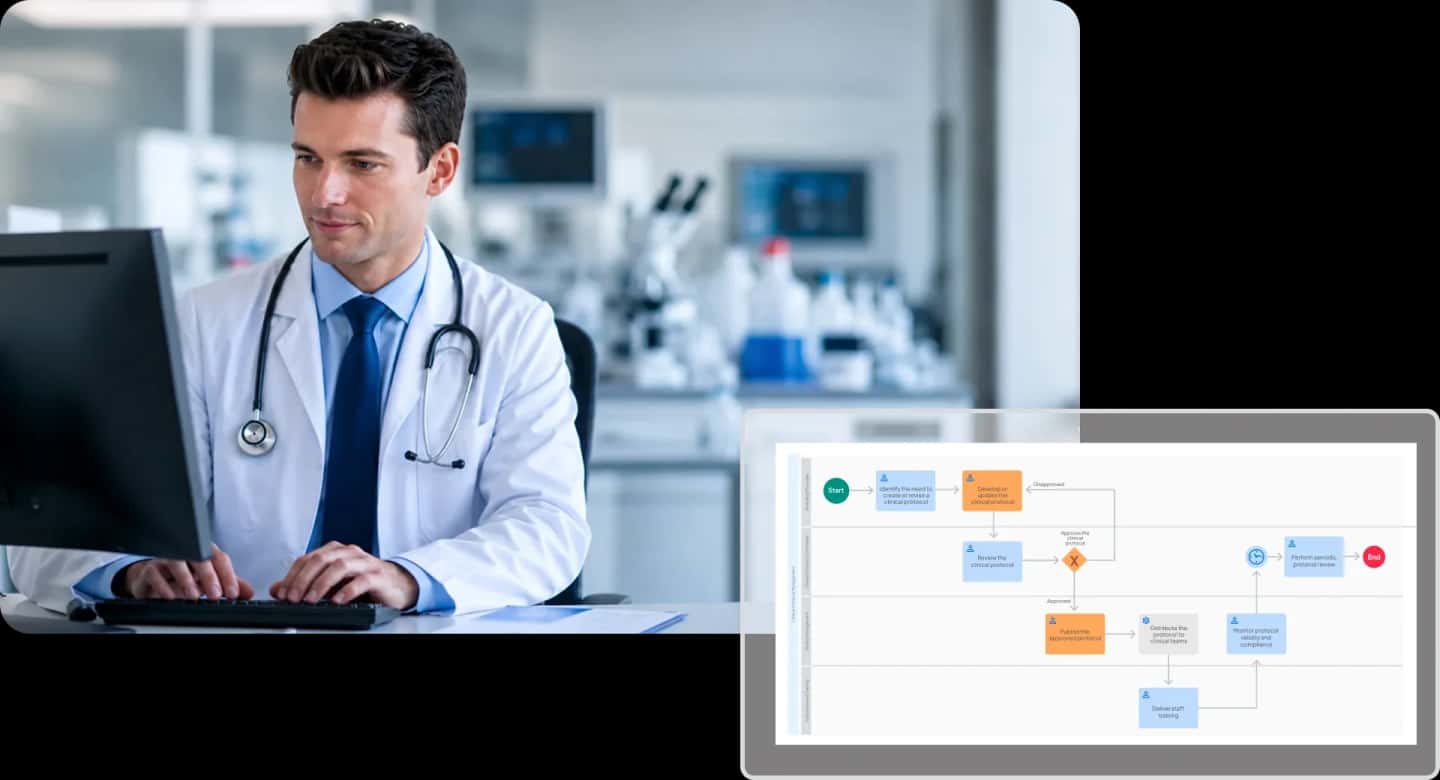
Hospital process management involves coordinating clinical, operational and administrative activities across multiple departments. Software for hospitals enables healthcare teams to automate workflows, eliminate manual tasks and improve collaboration throughout the organization. With a centralized platform, teams can:
This allows healthcare professionals to focus on delivering better care while improving operational efficiency.
Improving patient safety requires proactive monitoring of risks, incidents and corrective actions. Software for healthcare services gives healthcare teams a centralized environment to manage these activities while promoting greater accountability and collaboration.
Organizations can use the platform to:
With better visibility into safety performance, organizations can continuously strengthen their patient safety programs.
Preparing for accreditation programs and regulatory audits requires accurate documentation and complete traceability. Software for healthcare organizations helps quality and compliance teams organize evidence, monitor regulatory requirements and coordinate improvement activities from one platform. Key capabilities include:
This approach reduces administrative effort while helping healthcare teams remain prepared for ongoing compliance assessments.
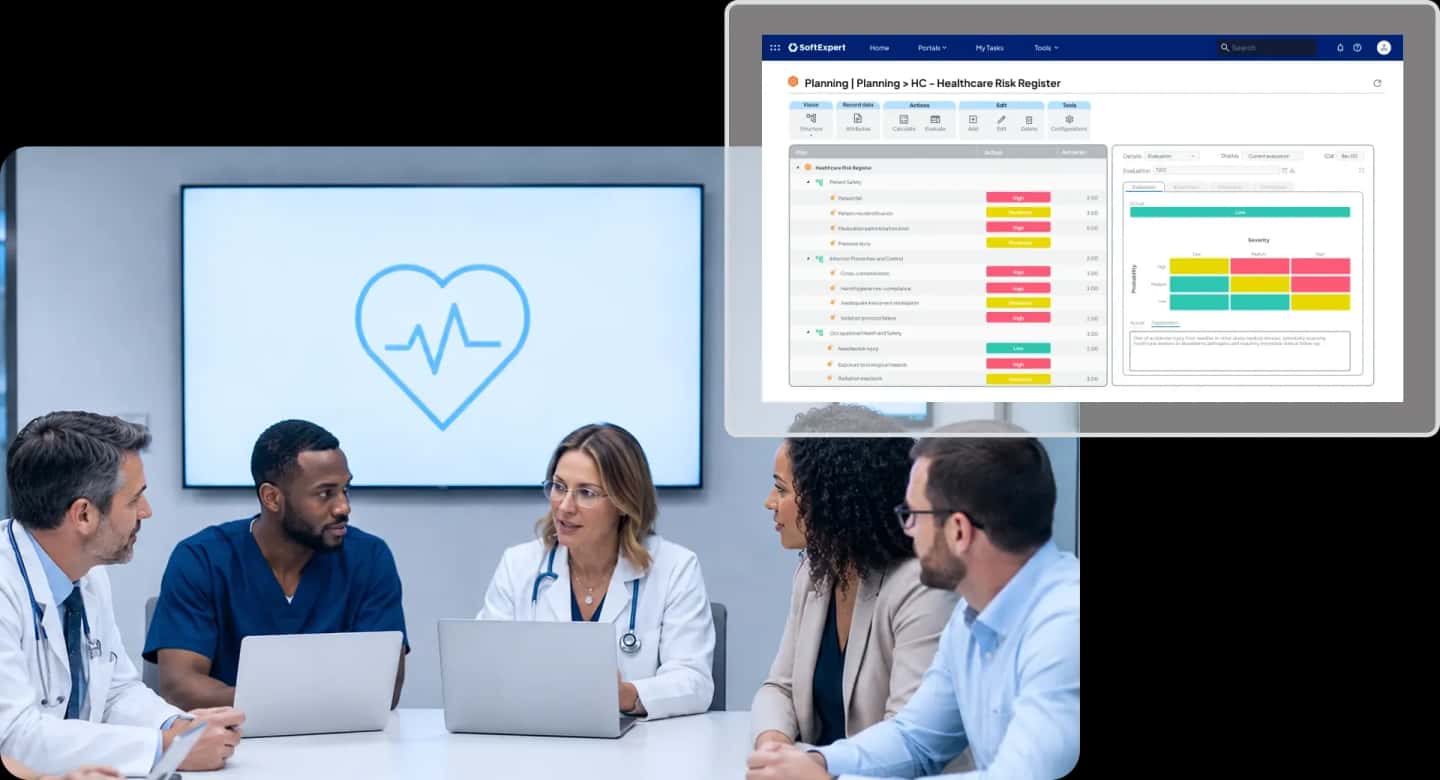
Managing clinical and operational risks requires continuous visibility across the organization. Healthcare software helps teams identify, assess and monitor risks before they affect patient care or business operations. Teams can:
By adopting a proactive approach to risk management, healthcare organizations improve resilience and support safer care delivery.
Digital transformation is about improving how healthcare teams work together—not simply replacing paper with digital documents. Healthcare software connects people, processes and information to create a more efficient and collaborative work environment.
A centralized platform helps teams:
As a result, healthcare organizations become more agile, improve service quality and create a stronger foundation for long-term operational excellence.