
QMSISO 9000Automotive
With agile workflows and instant access to over 5,000 documents, Hyundai has eliminated rework, enhanced security, and transformed their audit processes.
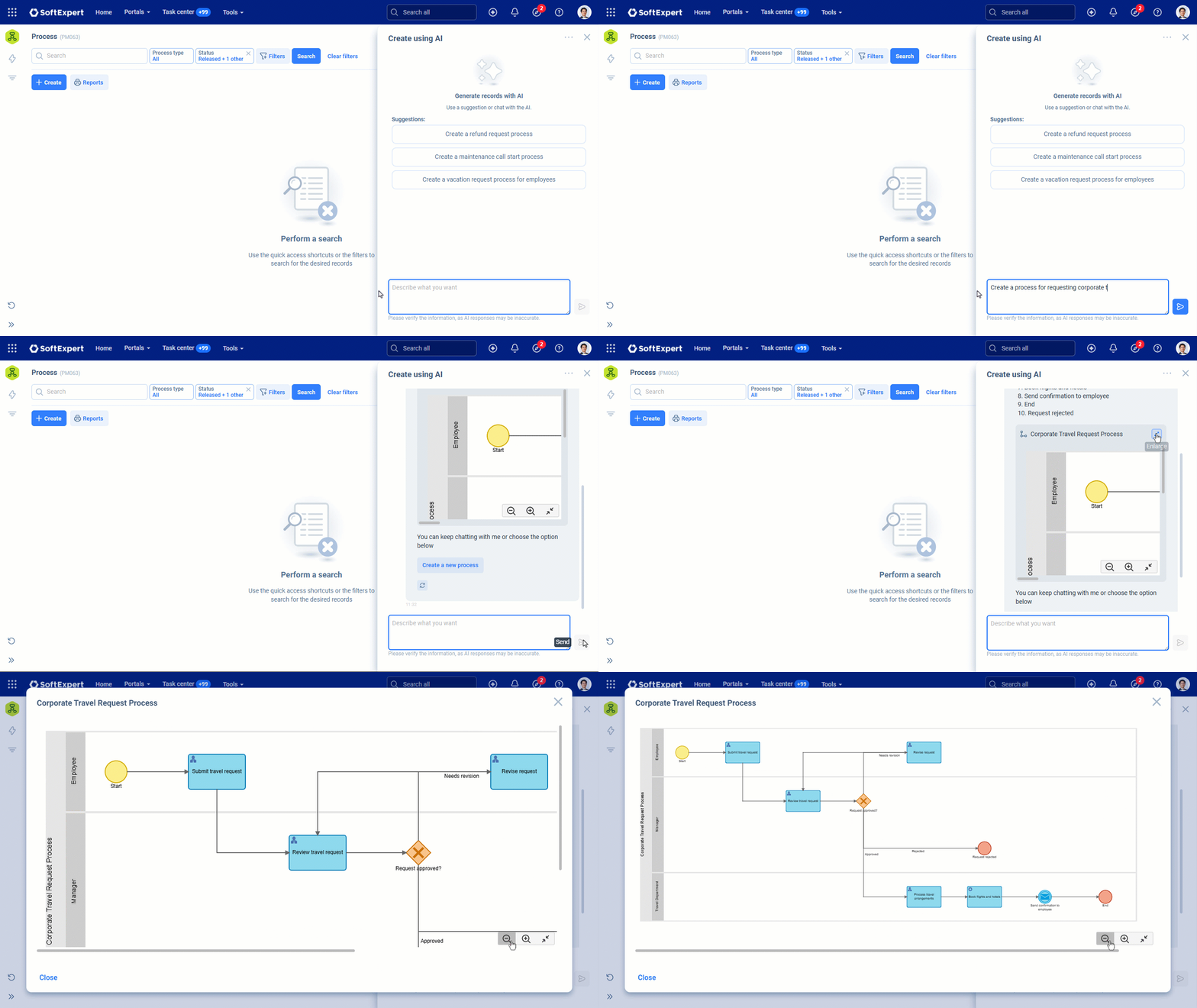




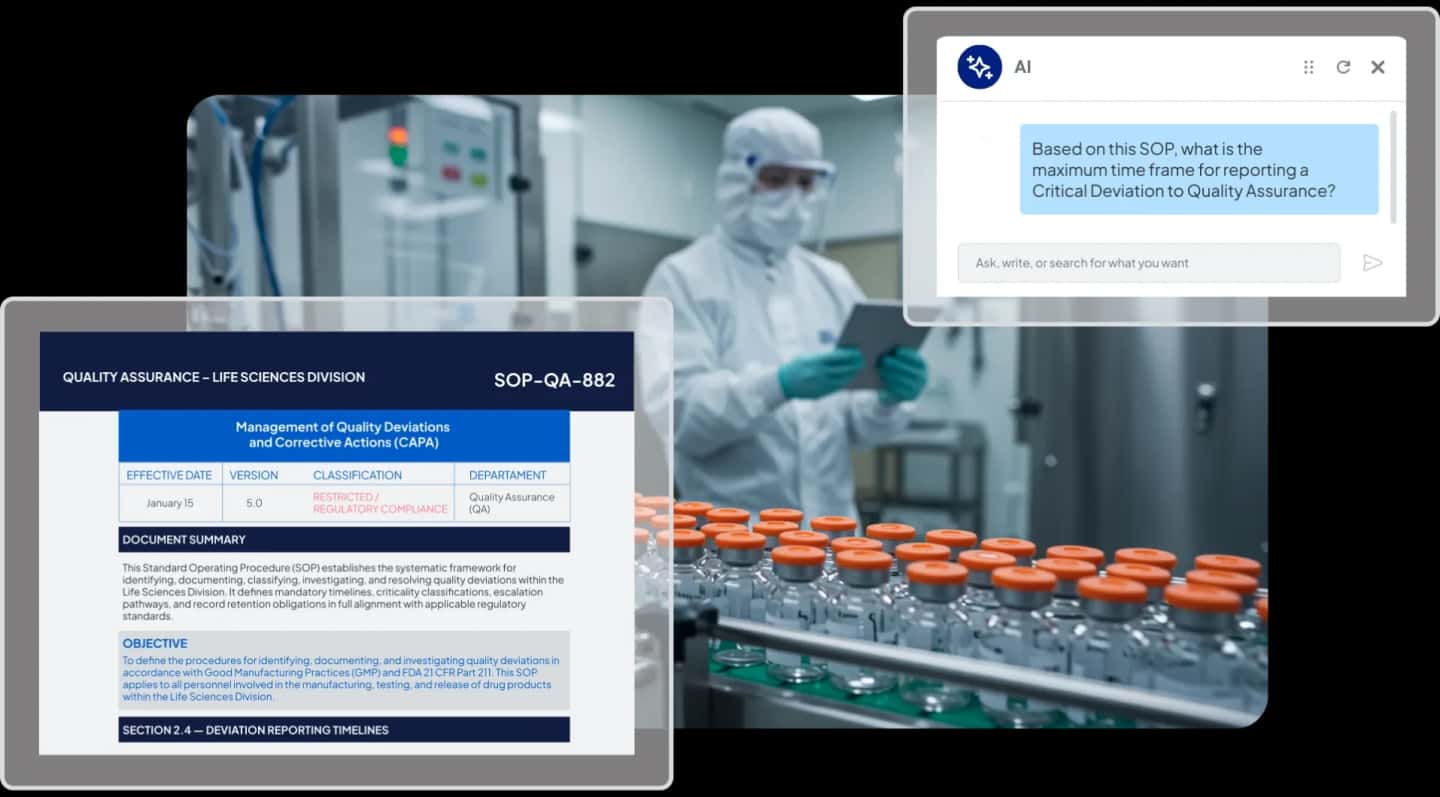
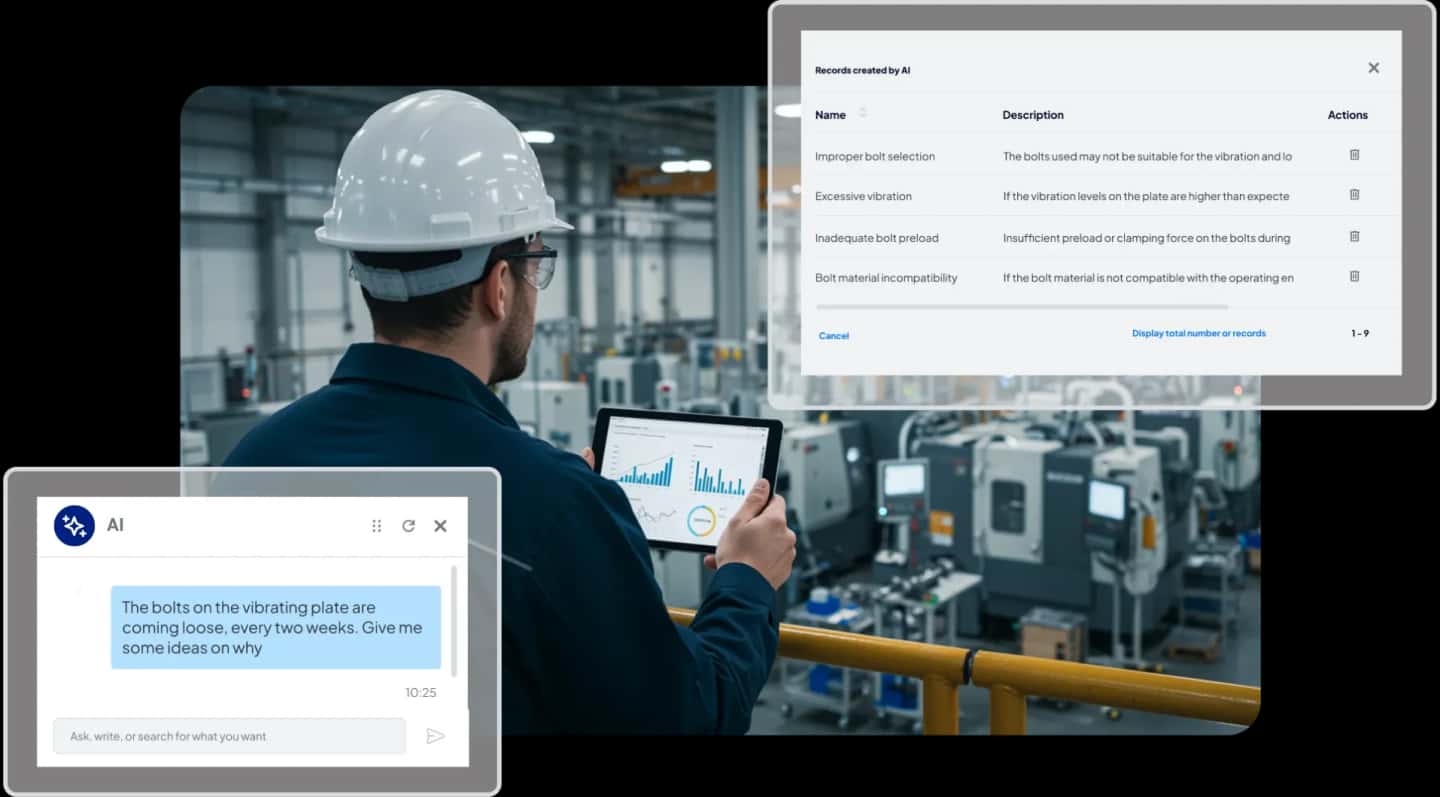
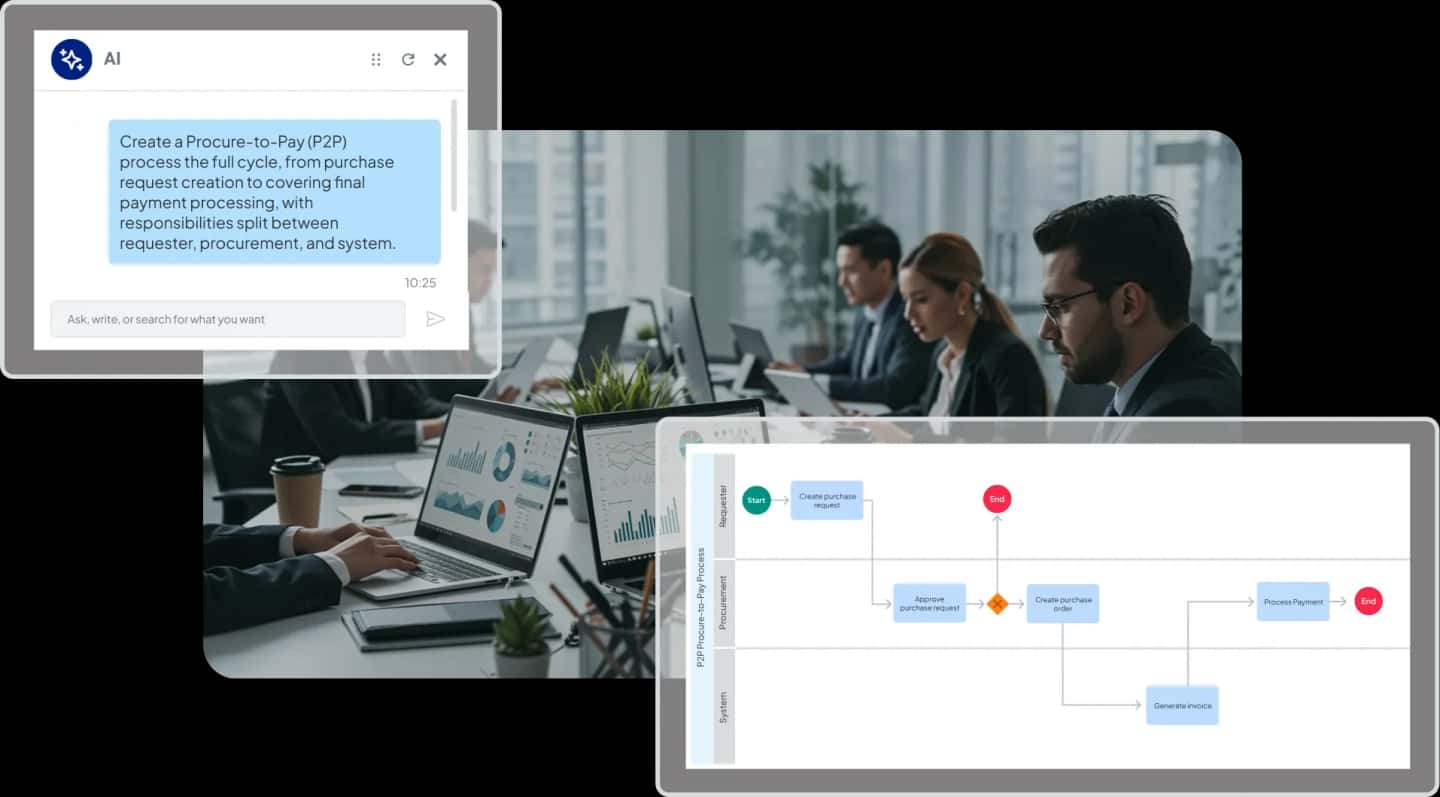
Empower operations by turning natural language instructions into execution. Through an intuitive interface, AI structures workflows and forms, removing technical complexity and reducing manual operational work.
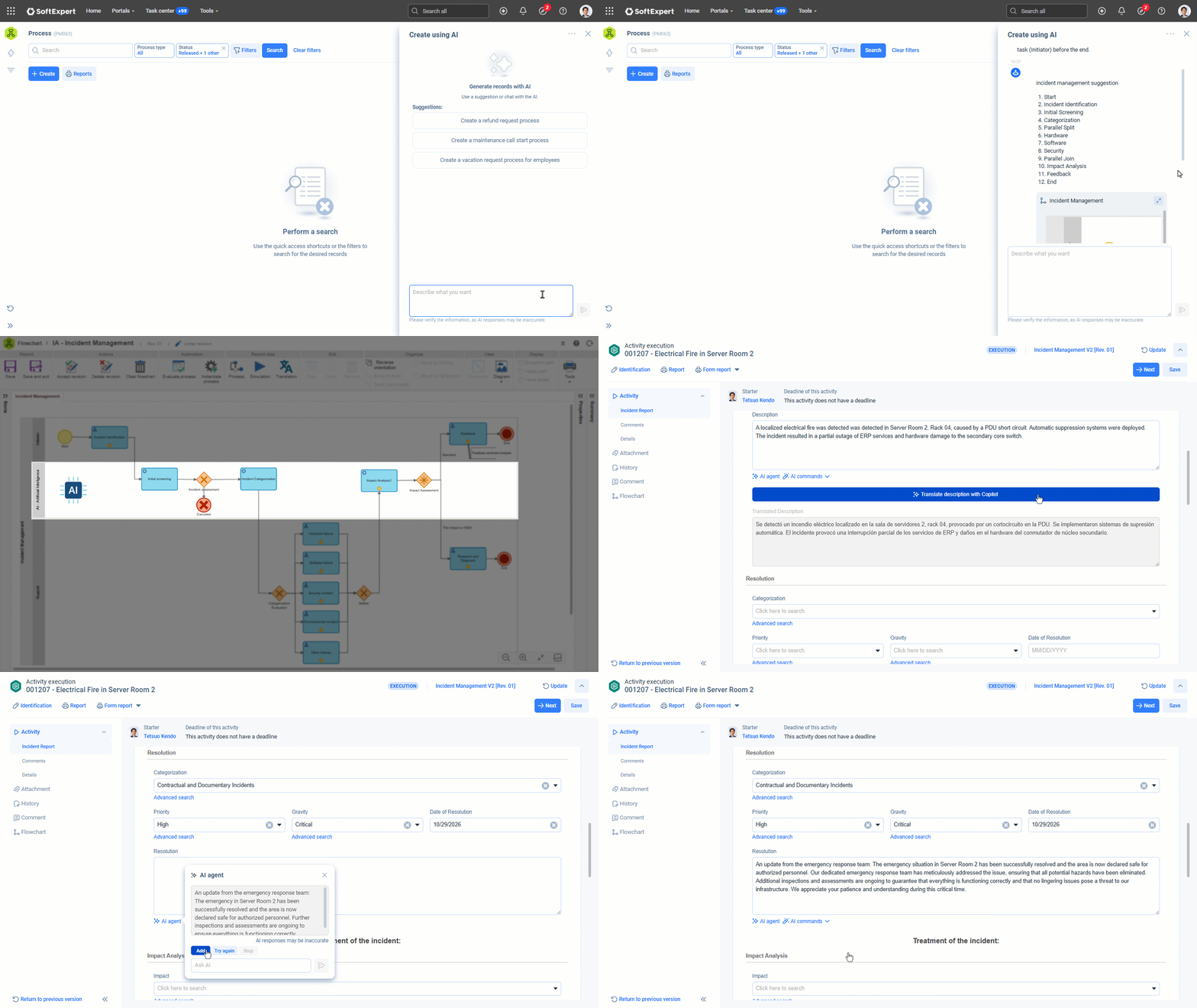
Automate repetitive tasks, reduce manual work, and empower teams to focus on high-impact strategic initiatives.
Seamlessly integrate AI assistants into the SoftExpert ecosystem to provide real-time context and power automated workflows and data analytics.
Analyze vast amounts of corporate data in real time and gain actionable insights for faster, more confident decisions.
Empower teams with data analysis, content generation, and task execution, driving higher efficiency across day-to-day activities.
Minimize risks in critical tasks and improve data consistency across business processes.
With SoftExpert Copilot, AI is your partner throughout the entire workflow, transforming complexity into operational agility.
SoftExpert AI is integrated into core management routines, supporting activities from planning to execution. By automating tasks, structuring information, and generating actionable insights, the platform reduces operational effort and accelerates decisions across the enterprise.

Built to connect with your existing stack while keeping governance, traceability, and control at the center.

AI for business refers to the application of artificial intelligence to improve how organizations operate, make decisions, and execute work at scale. Rather than functioning as an isolated technology, AI becomes more valuable when embedded into day-to-day business processes.
In practice, organizations apply AI to automate repetitive workflows, structure information, support document-intensive activities, improve collaboration, and accelerate decision-making. Common use cases include process automation, project planning, compliance management, document analysis, and operational reporting.
The goal is not simply automation—it is creating more efficient operations, reducing manual effort, and enabling teams to focus on activities that require judgment, expertise, and strategic thinking.
Enterprise artificial intelligence improves business management by helping organizations operate with more visibility, consistency, and execution speed across departments.
Instead of relying on disconnected systems and manual coordination, teams can use AI to support planning, organize business information, guide process execution, and surface insights from operational data.
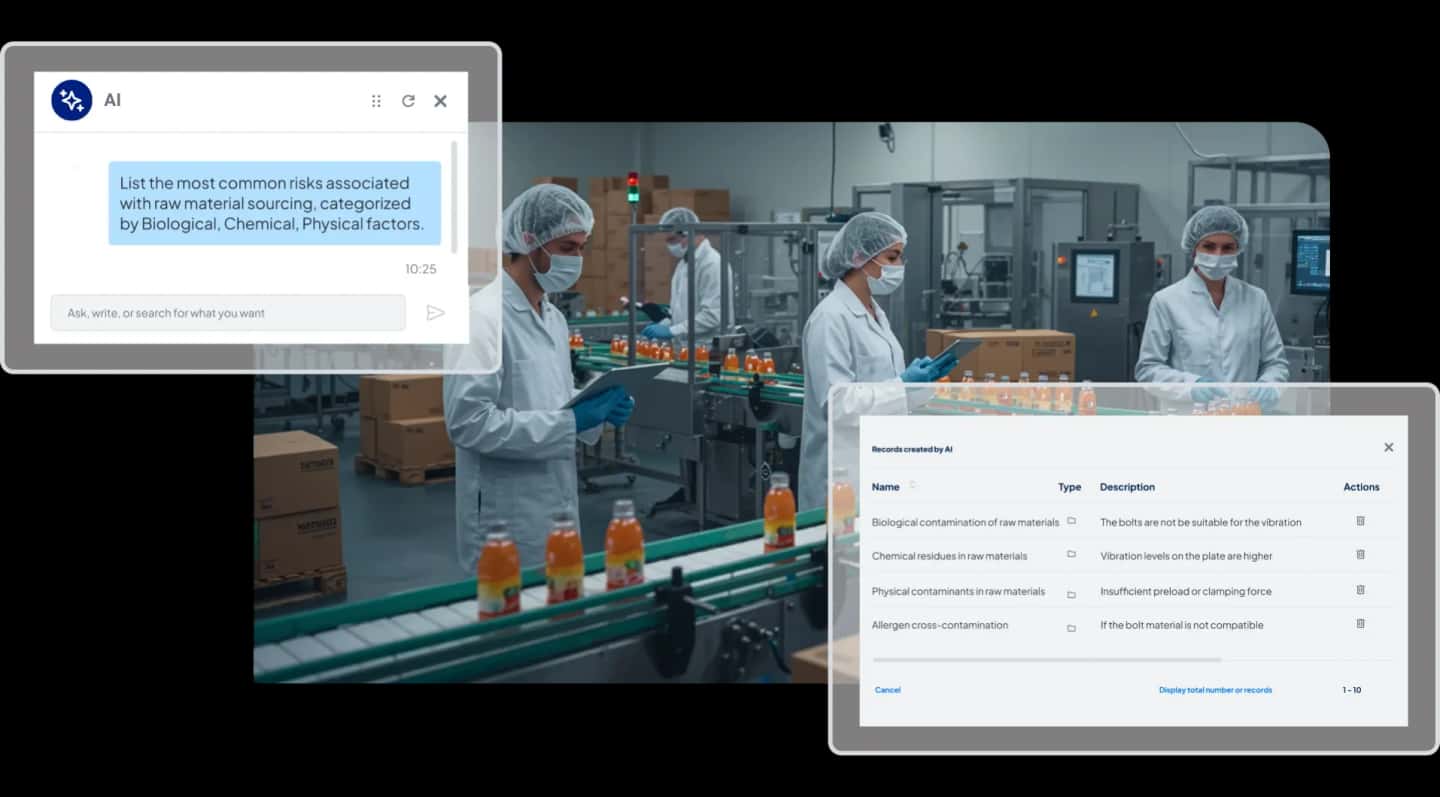
Examples include generating structured workflows, supporting project setup, identifying patterns in performance indicators, and assisting with document interpretation in regulated environments.
For business leaders, this creates faster access to information, greater operational alignment, and stronger decision support across the organization.
Choosing enterprise AI software requires evaluating more than the AI model itself. Organizations should assess how well the platform integrates with existing processes, supports governance requirements, and enables adoption across business teams.
Key evaluation criteria often include:
Enterprise AI creates greater long-term value when it becomes part of how work gets executed—not simply another disconnected layer of technology.
AI for compliance helps organizations identify requirements, structure regulatory information, and reduce manual work in governance processes. It is especially useful when teams need to manage high volumes of documents, controls, and action plans. By improving consistency and traceability, it supports more reliable compliance operations.
Yes. While AI for cybersecurity is a specialized use case, enterprise platforms can support it through better governance, data visibility, access control, and structured workflows. In many organizations, the same AI foundation used for compliance and process automation also helps reduce risk and improve response coordination. The most important factor is having strong controls around data, permissions, and execution.
AI for business management creates value by helping organizations reduce friction across everyday operations and improve how work is executed.
Instead of spending time manually organizing information, updating records, or coordinating repetitive activities, teams can use AI to accelerate execution and maintain greater consistency.
Typical benefits include:
Over time, these improvements help organizations scale operations more sustainably while maintaining governance and business agility.
Trusted by users and rated across leading software review platforms for value, usability, and support.





SoftExpert's global presence, with operations on every continent, drives its growth by delivering strong, personalized service tailored to each local market.
Contact us